AI Infrastructure Engineer
Jay
Builds the systems creative AI runs on.41 models on one GPU, operated like production.
- Flagship builds
- 5
- flagship builds
- Contributions in the last year
- 14,140
- contributions / yr
- Public repositories
- 48
- public repos
// Most AI projects die at the demo. Mine run for months — 41 models sharing one RTX 4090, research pipelines that resume where they crashed, sandboxes I attack on purpose to prove they hold. The demo is the start of the work. I think MCP is the most interesting integration surface we've shipped in a decade.
Range
A broader selection. Click through to the code.
ComfyUI Pose Director
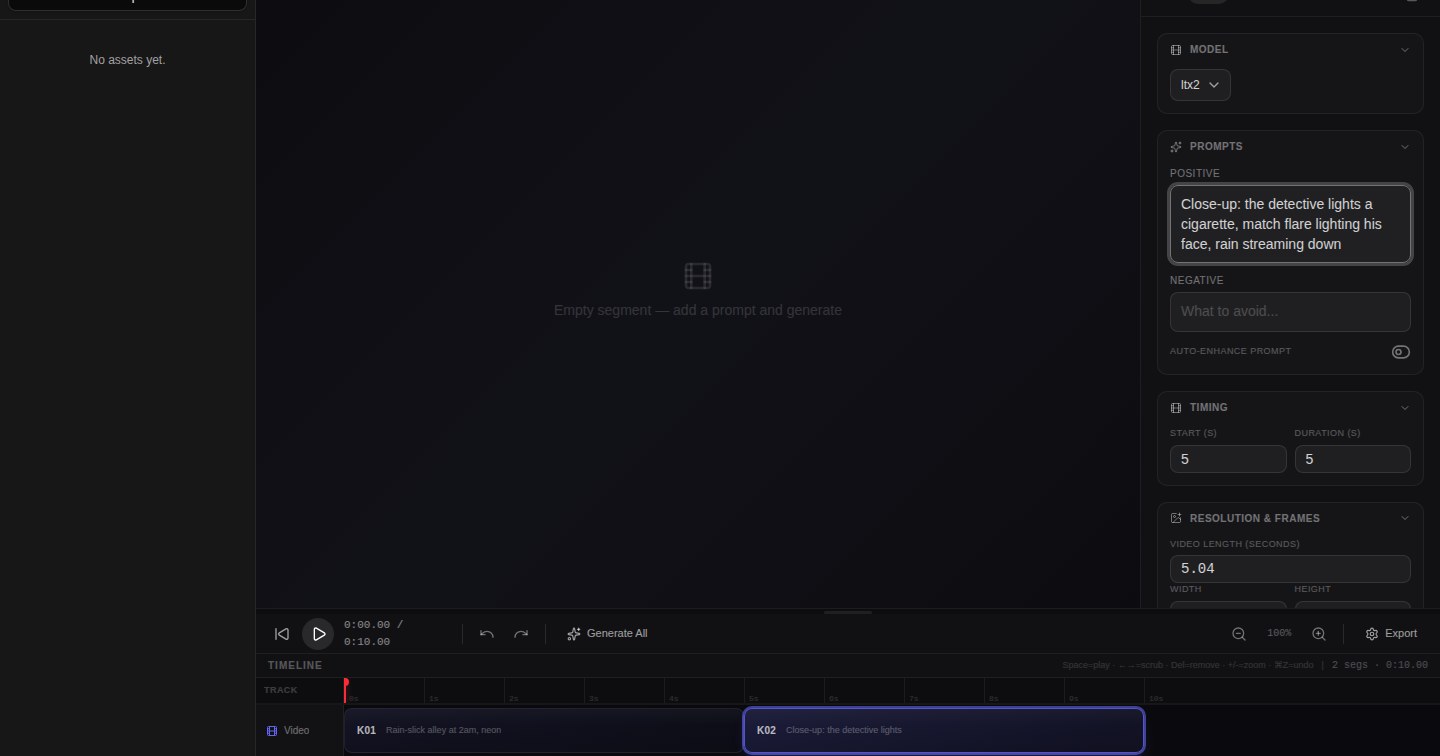
LLM-driven OpenPose keyframing inside ComfyUI — pose manipulation, motion keyframes, and a render/extract bridge into Qwen Image Edit and LTX Video.
Common Voice Browser
Gradio app to browse + filter Mozilla Common Voice (33k+ hours) by 8 audio quality metrics. For voice cloning and TTS training data.
Web Research MCP
ArchivedFastMCP-based research server with SearXNG + Crawl4AI + SeleniumBase, deployed through Caddy + Tailscale + Gluetun VPN.
Make LLMs.txt
ArchivedGenerate llms.txt and skill packages for documentation websites. Multi-provider LLMs, semantic search, generator-critic loop, Langfuse observability.
Media MCP
28 MCP tools for vision, audio and video — Florence-2, YOLOv8, InsightFace, pyannote — with HDBSCAN clustering across face and voice embeddings.
Slam Stack
A single-node Kubernetes cluster built to a hostile-threat model — Talos, Cilium, Kyverno, Cosign, OpenBao, Flux — inside 8 GB of RAM.
The shape of the work.
// current focus
- → Distributed systems for generative AI
- → Ray Serve + KubeRay on consumer GPUs
- → MCP servers as a first-class integration surface
- → Declarative config over bespoke orchestration code
- → Sandbox isolation, proved adversarially
- → Self-hosted everything — k3s, Caddy, Tailscale
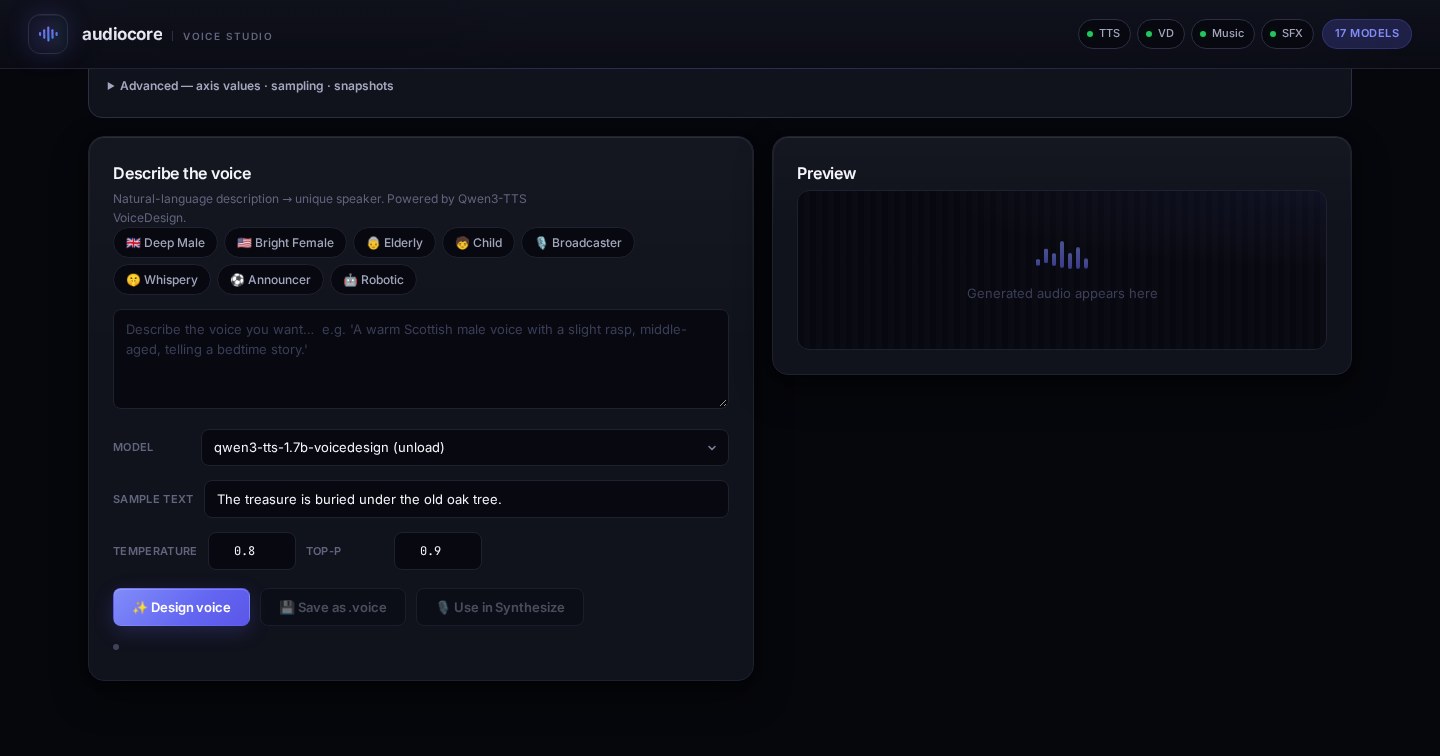
I'm Jay, an AI infrastructure engineer. My home lab runs a Ray Serve cluster on k3s that generates images, video, audio, 3D, and text through one unified API. I built the agent platform that drives it — and rewrote it five times, deleting my own Go kernel when it stopped earning its keep. I tune TTS models with LoRA for emotion-controlled character voices. I ship the MCP servers that let agents reach into the cluster.
Generation is the easy part. The work is everything around it — VRAM scheduling, request routing, sandbox isolation, observability, and the seams between agents and tools. A demo either grows into infrastructure or it was never real. I build the part that grows.
// trajectory
2026
Shipping AI infra, in public
Ray Serve cluster on k3s, MCP servers wired through Caddy + Tailscale, multi-agent research engine, pose-director, 3D inference, dataset tooling — every repo on the work page.
2025
Creative-AI practice, privately
LoRA pipelines and ComfyUI workflow automation for personal production — the working knowledge behind the public repos that followed.
2024
Home lab maturity
Built the shared Docker infrastructure; deployed Zitadel SSO across services; first Kubernetes at home.
What I reach for.
Across infra, languages, and the AI/ML layer. Not exhaustive — these are the tools I've shipped to production in the last 18 months.
- Kubernetes
- Ray Serve
- KubeRay
- Docker
- Traefik
- Caddy
- Tailscale
- LiteLLM
- Zitadel
- Postgres
- Redis
- Neo4j
- MinIO
- Go
- Python
- TypeScript
- GDScript
- Bash
- Rust
- FastAPI
- Next.js
- Three.js
- R3F
- Tailwind
- Motion
- GSAP
- PyTorch
- LoRA
- ComfyUI
- MCP
- LangGraph
- Langfuse
- llama.cpp
- Ray
- vLLM
- SGLang
- TRELLIS
- Flux
- Qwen3
- Kreuzberg
- Whisper
Open to opportunities
Let's build the layer
that makes AI run.
AI infrastructure, distributed systems, agent orchestration, creative tooling. If you're building something where the engineering is harder than the model, I want to hear about it.